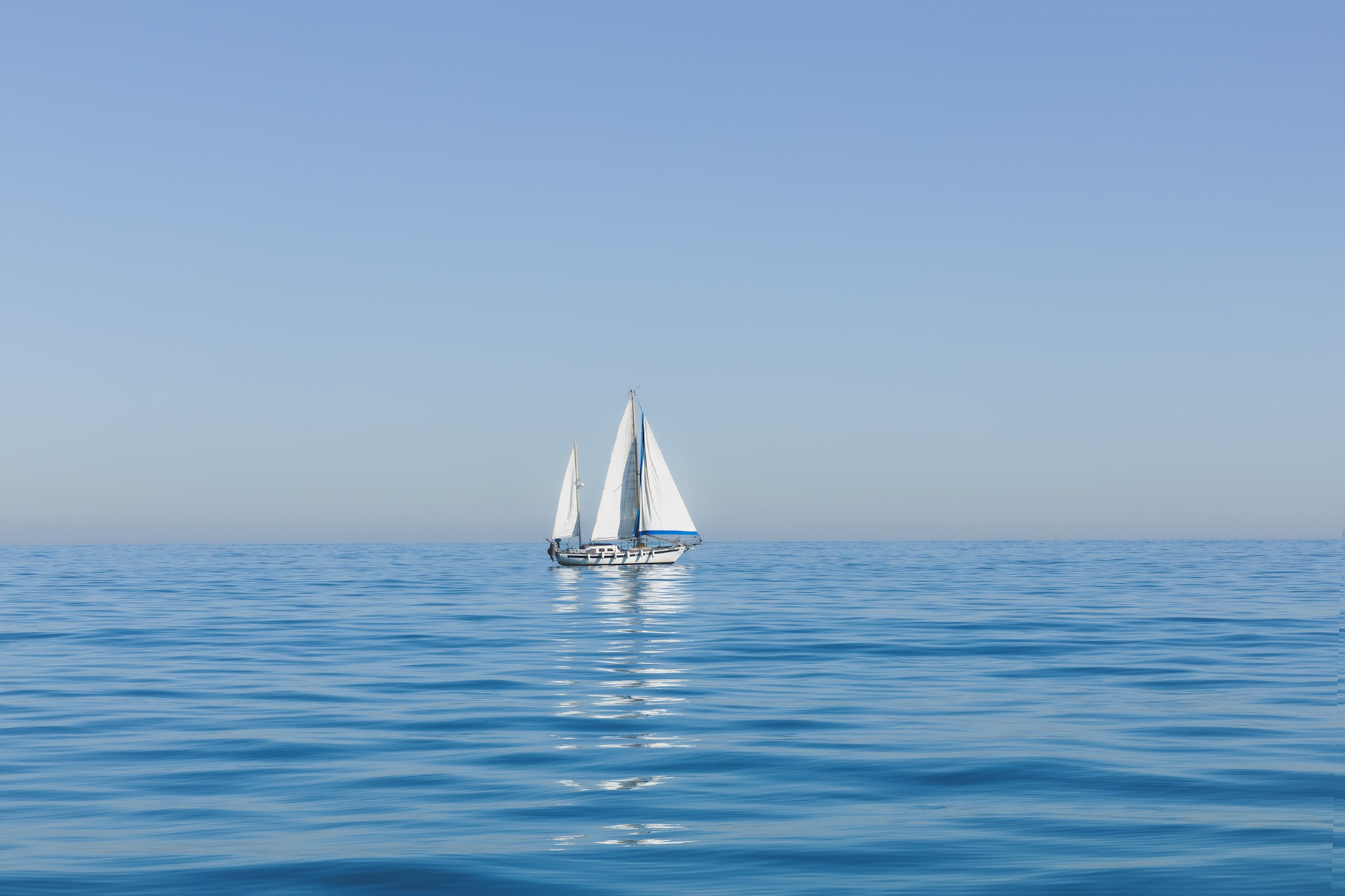
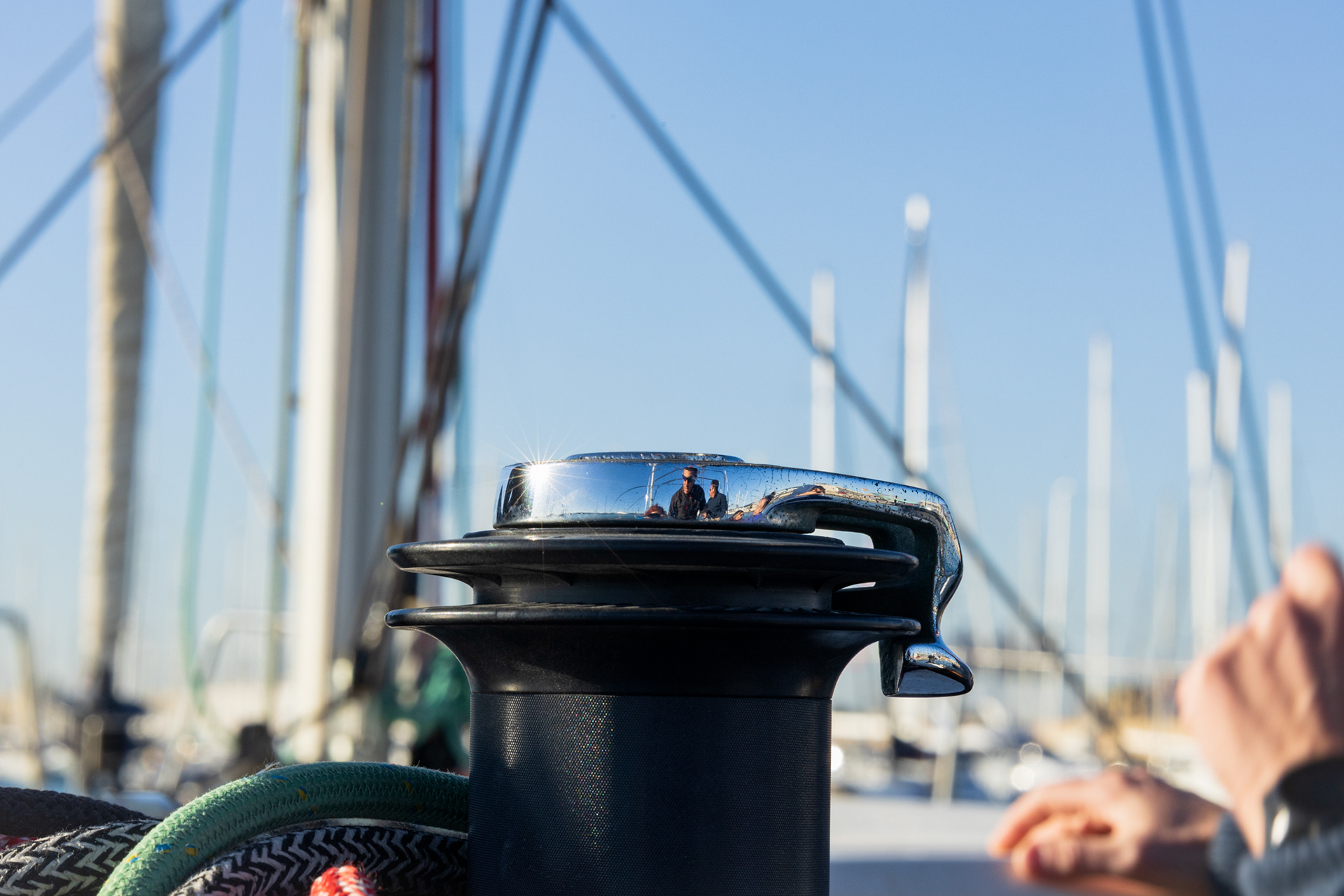
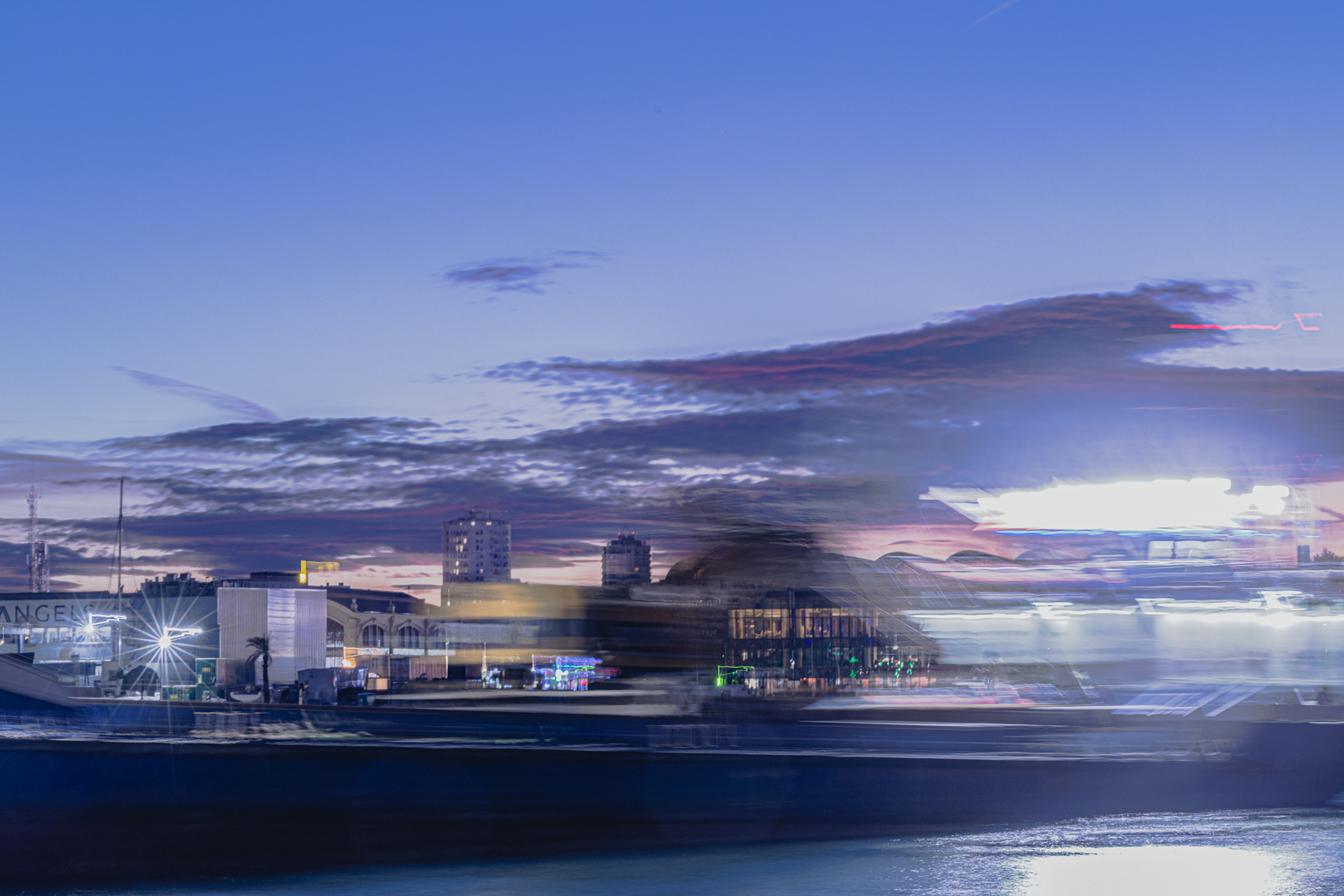
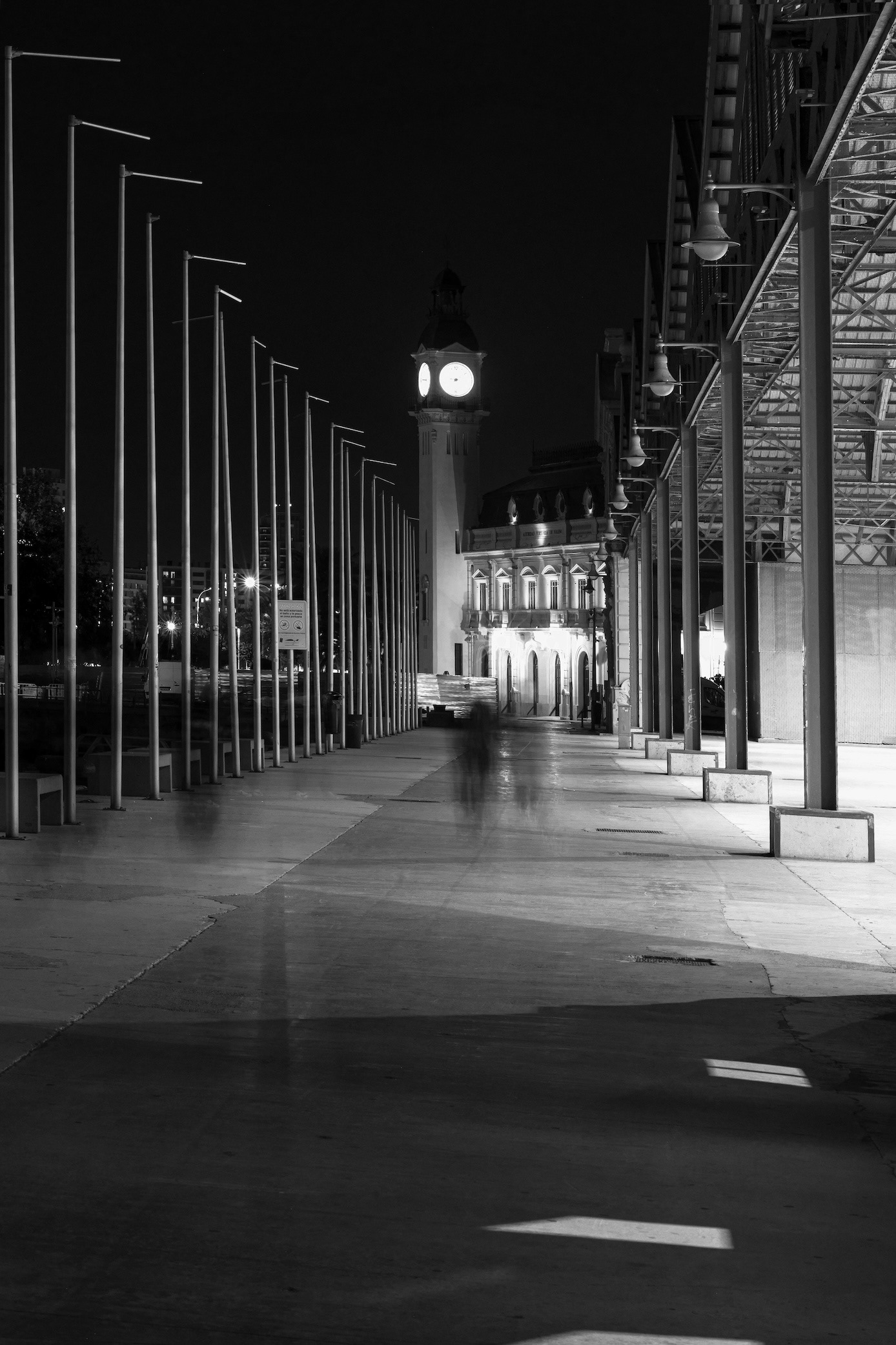
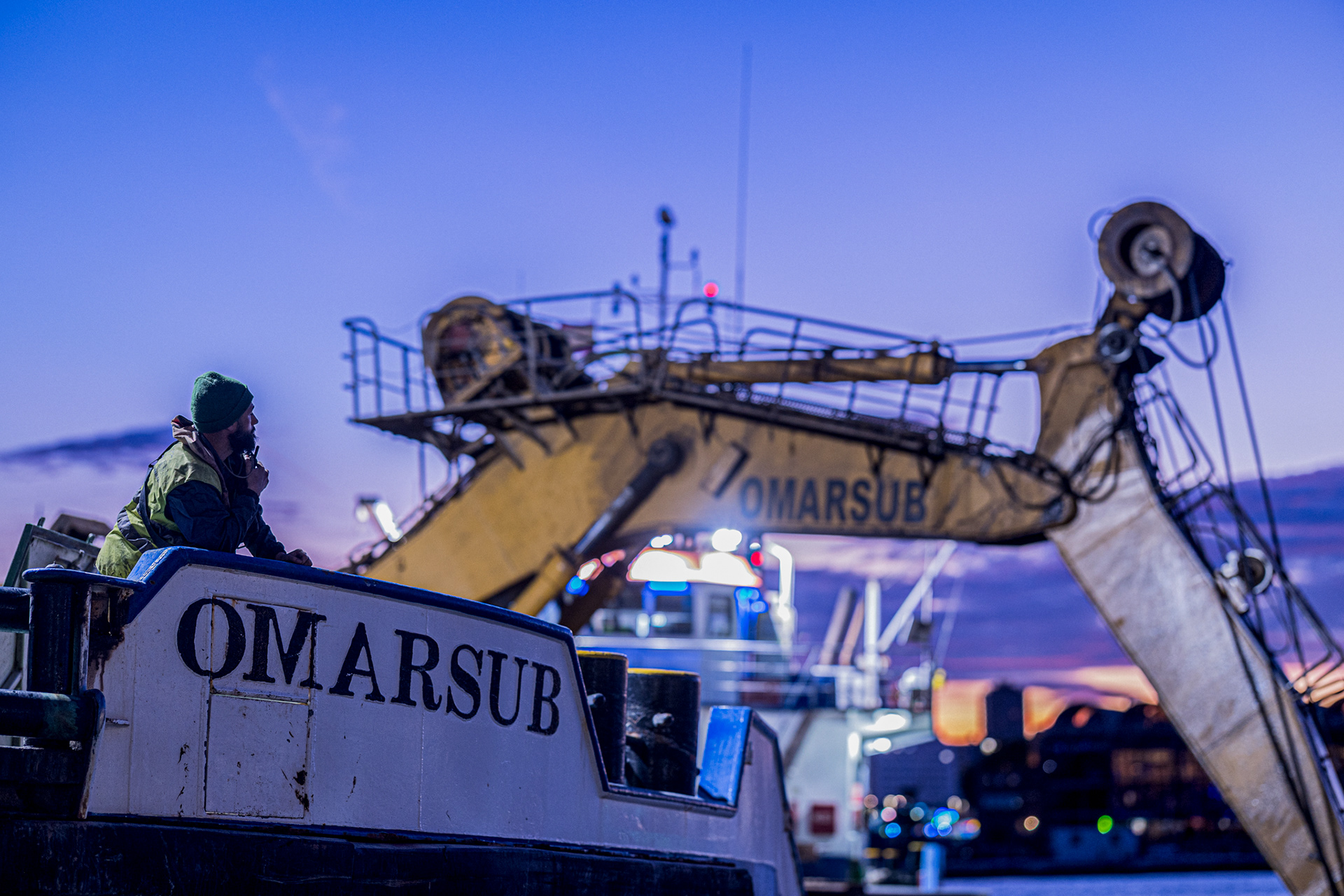
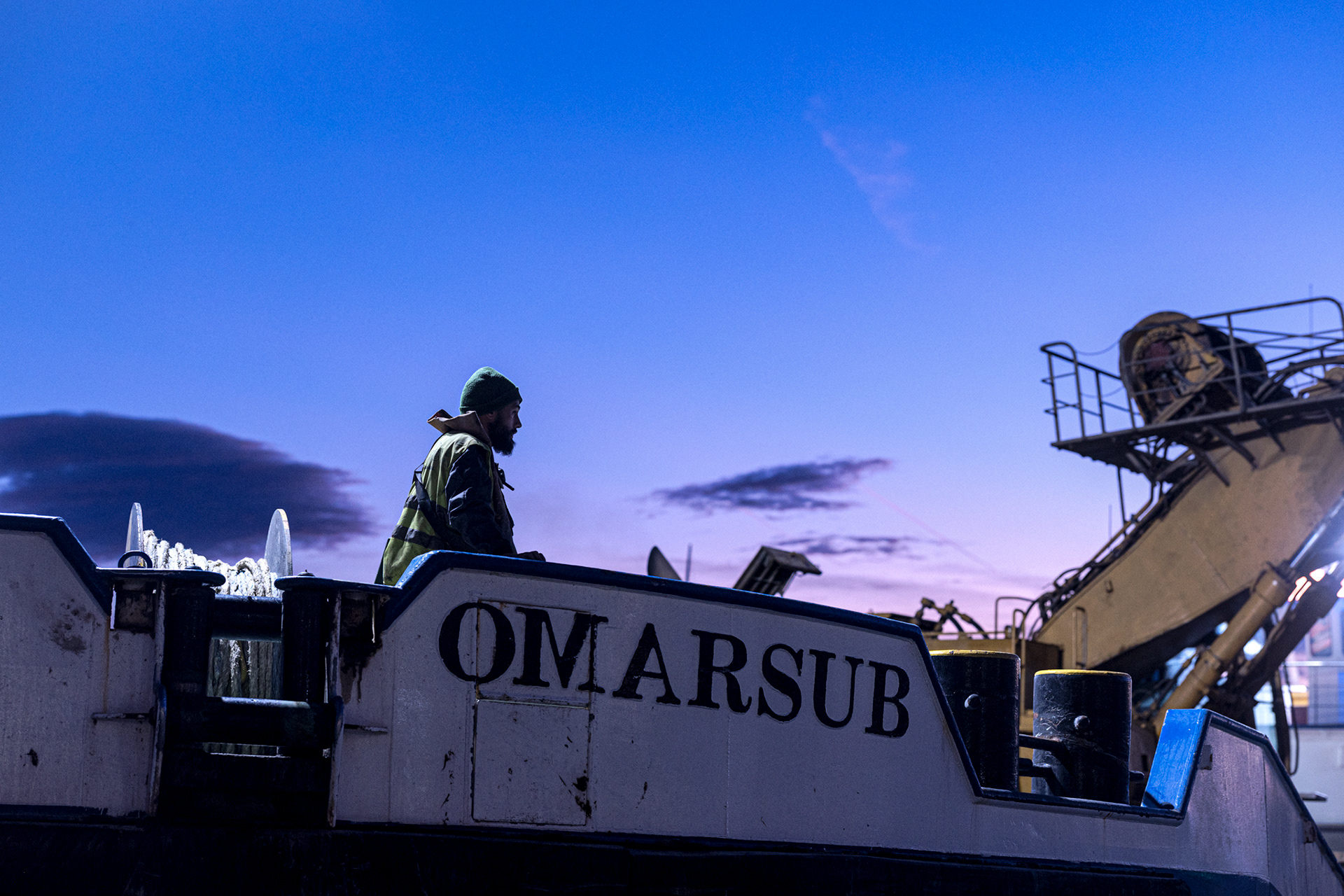
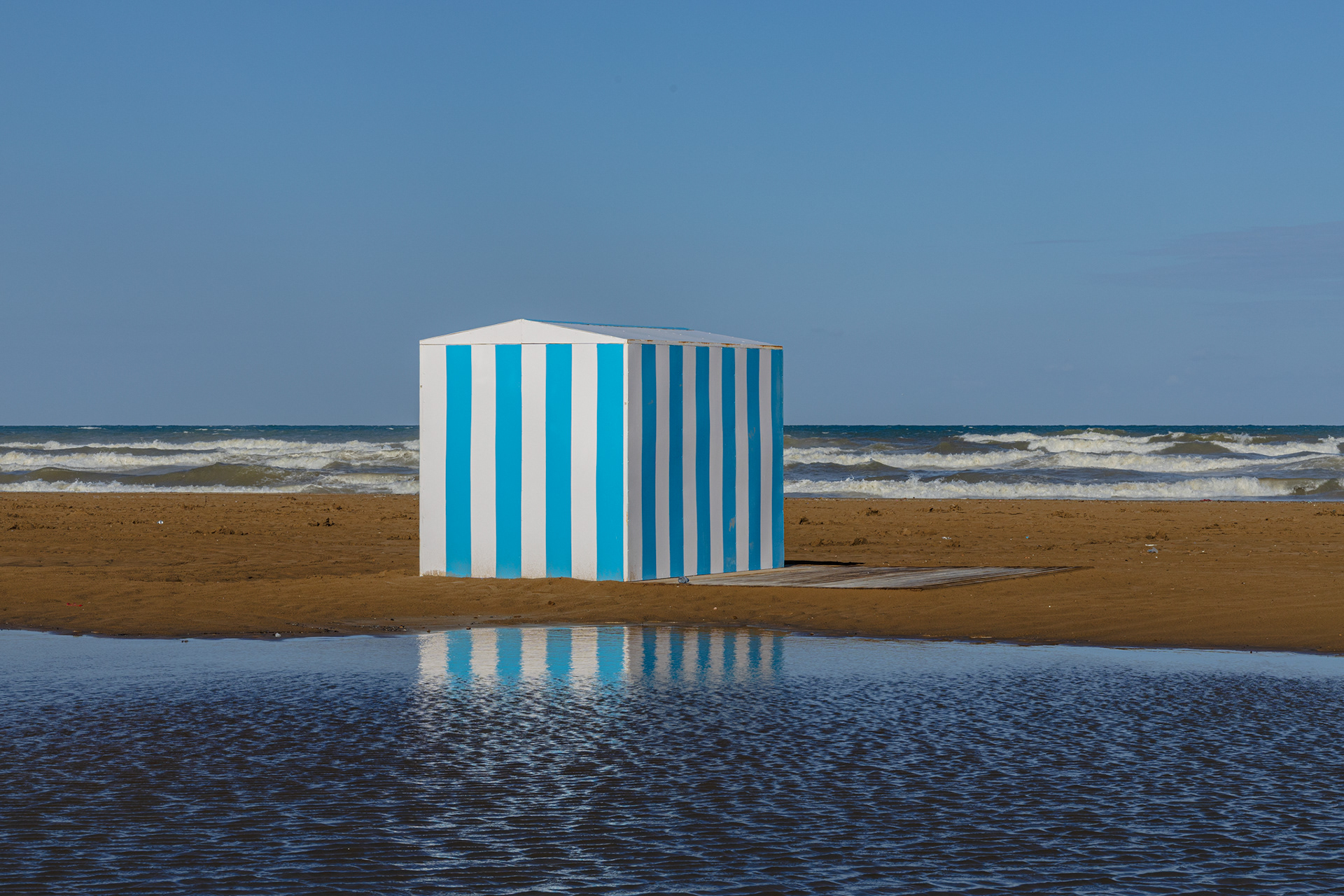
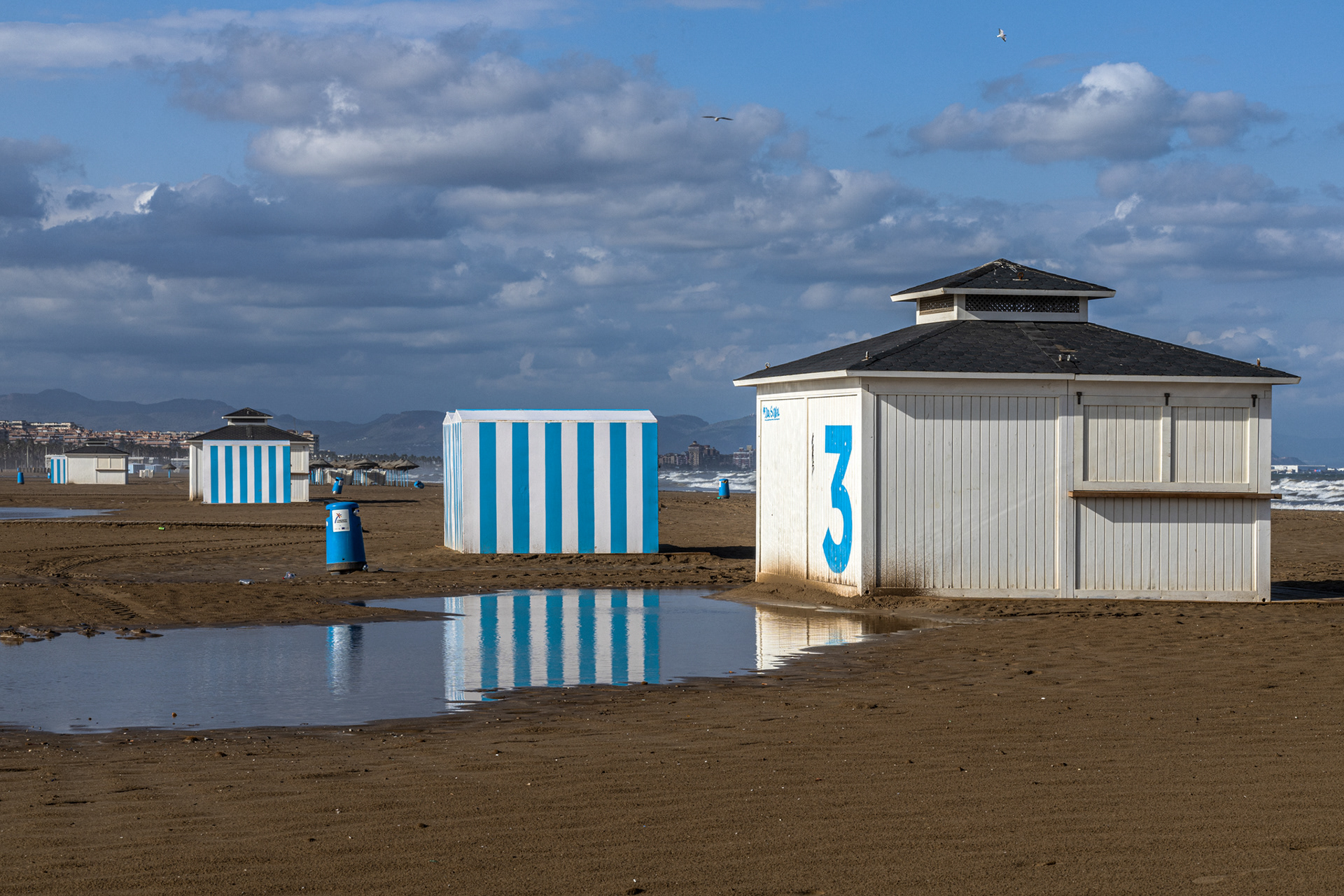
Street photography is usually understood as a clearly defined practice, rooted in the streets of the city and in the rhythms of urban life. Yet, when walking through a harbour area or along the shoreline of a city, this clarity begins to dissolve. These spaces belong to the city, but they are also open to the sea; they are shaped by administration, infrastructure and human activity, while remaining exposed to tides, weather and maritime time.
The photographs made in these zones resist simple classification. They are not street photography in the conventional sense, nor are they purely marine or harbour images. They emerge instead from a threshold space, a liminal territory where urban life gradually gives way to the sea.
Sea Side Fragments is the result of wandering within this in‑between zone. The project gathers visual traces of a landscape that is neither fully urban nor entirely maritime, composed of partial views, interruptions and encounters. Through these images, the work reflects on the blurred boundaries between categories, places and ways of seeing, proposing photography as a practice of attentive drifting within unstable territories.
La fotografía callejera suele entenderse como una práctica claramente delimitada, enraizada en las calles de la ciudad y en los ritmos de la vida urbana. Sin embargo, al recorrer una zona portuaria o caminar por la línea de costa de una ciudad, esta claridad comienza a desdibujarse. Estos espacios pertenecen a la ciudad, pero al mismo tiempo se abren al mar; están modelados por la administración, las infraestructuras y la actividad humana, a la vez que permanecen expuestos a las mareas, al clima y al tiempo marítimo.
Las fotografías realizadas en estos lugares resisten una clasificación simple. No son fotografía callejera en el sentido convencional, ni tampoco imágenes puramente marinas o portuarias. Surgen, más bien, de un espacio umbral, de un territorio liminal donde la vida urbana se transforma progresivamente en mar.
Sea Side Fragments es el resultado de deambular por este espacio intermedio. El proyecto reúne huellas visuales de un paisaje que no es completamente urbano ni totalmente marítimo, compuesto por vistas parciales, reflejos, interrupciones y encuentros. A través de estas imágenes, la obra reflexiona sobre la difuminación de los límites entre categorías, lugares y modos de mirar, proponiendo la fotografía como una práctica de deriva atenta dentro de territorios inestables.
© Suzana Burlea, 2026. All rights reserved.